You have just finished a brutal workout. Your muscles are screaming, your energy is depleted, and you know tomorrow is going to be painful. In the quest for faster healing, many athletes in Lebanon turn to supplements. A question we hear constantly at Muscle Plus is: Is glutamine worth taking for recovery?
With so much conflicting information online, it is easy to get confused. Some fitness influencers swear it is the ultimate muscle builder, while some studies suggest it does nothing for healthy individuals. The truth lies somewhere in the middle. In this comprehensive guide, we will break down the science behind L-glutamine, explore its real benefits, and help you decide if it deserves a spot in your supplement stack.
Understanding L-Glutamine: The Basics
Before we can answer whether glutamine is worth taking for recovery, we need to understand what it actually is. Glutamine is the most abundant amino acid found in the human body, making up approximately 60% of the free amino acids in skeletal muscle.
Your body can naturally produce glutamine, which classifies it as a non-essential amino acid. However, during periods of intense physical stress — such as heavy weightlifting, endurance training, or illness — your body’s demand for glutamine can outpace its ability to produce it. When this happens, glutamine becomes what scientists call “conditionally essential,” meaning you must obtain it from your diet or through supplementation.
As the exclusive agents of Scitec Nutrition in Lebanon, we ensure our customers have access to premium, authentic supplements. But we also believe in educating our community so you can make informed decisions about your nutrition.
The Science of Glutamine for Muscle Recovery
When you train hard, you create micro-tears in your muscle fibers. This process is necessary for growth, but it also causes inflammation and delayed onset muscle soreness (DOMS). So, how does glutamine fit into this picture?
Does Glutamine Build Muscle?
Let us address the biggest myth first: glutamine is not a magic muscle-building pill. If your primary goal is purely muscle hypertrophy (growth), simply adding glutamine to your diet will not suddenly pack on mass. Studies have consistently shown that for healthy adults consuming adequate protein, isolated glutamine supplementation does not significantly increase lean body mass.
If you are looking to build muscle, your focus should be on hitting your daily protein targets. A high-quality whey protein is far more effective for muscle protein synthesis than glutamine alone.
Glutamine and Delayed Onset Muscle Soreness (DOMS)
While it may not build muscle directly, the research on glutamine for recovery is much more promising. Several studies indicate that supplementing with L-glutamine can significantly reduce muscle soreness following intense exercise.
When you supplement with glutamine, it helps replenish the depleted stores in your muscles, which can accelerate the repair process. This means you spend less time feeling stiff and sore, allowing you to get back to the gym faster and train with higher intensity. For athletes engaging in frequent, heavy resistance training, this reduction in DOMS can be a game-changer.
Improving Strength Recovery
Beyond just reducing pain, glutamine has been shown to improve strength recovery. A study published in the International Journal of Sport Nutrition and Exercise Metabolism found that glutamine supplementation attenuated strength loss after muscle-damaging exercise.
This means that taking glutamine could help you maintain your power output in subsequent workouts, preventing the typical dip in performance that occurs when you are under-recovered. If you are pushing your limits in the gym, maintaining strength across training sessions is crucial for long-term progress.
Beyond the Muscles: Hidden Benefits of Glutamine
The benefits of glutamine extend far beyond muscle tissue. In fact, some of its most profound effects occur in other systems of the body, which indirectly support your athletic performance.
Supporting Immune System Function
Intense training is a double-edged sword. While it makes you stronger, it also temporarily suppresses your immune system. This is why endurance athletes and bodybuilders in peak training phases often find themselves catching colds.
Glutamine is a primary fuel source for immune cells, including white blood cells. Following strenuous exercise, plasma glutamine levels can drop significantly, leaving your immune system vulnerable. Supplementing with glutamine can help restore these levels, potentially lowering your risk of illness and keeping you consistent with your training schedule.
Maintaining Gut Health and Integrity
Your gut health is foundational to your overall well-being and your ability to absorb the nutrients from your food and supplements. Glutamine plays a critical role in maintaining the integrity of the intestinal lining.
Prolonged endurance exercise or intense physical stress can cause “leaky gut,” a condition where the intestinal barrier becomes permeable. Glutamine acts as a vital energy source for the cells lining the intestines, helping to keep this barrier strong and preventing unwanted substances from entering the bloodstream. If you suffer from digestive issues, glutamine might be a valuable addition to your routine.
How to Use Glutamine Supplements Effectively
If you have decided that glutamine is worth taking for your recovery needs, the next step is knowing how to use it correctly to maximize its benefits.
Recommended L-Glutamine Dosage
The optimal dosage of L-glutamine depends on your specific goals and training intensity. For general recovery and immune support, a dose of 5 to 10 grams per day is typically recommended.
For athletes undergoing intense training blocks or those looking to mitigate severe muscle soreness, higher doses may be beneficial. Some research has used protocols of 0.3 grams per kilogram of body weight to effectively reduce inflammation and muscle damage markers. However, it is always best to start with a lower dose and assess your tolerance.
Best Time to Take Glutamine
Timing is important when it comes to amino acid supplementation. To get the most out of your glutamine, consider these key times:
- Post-Workout: This is the most critical time. Taking glutamine immediately after your training session helps replenish depleted stores and kickstarts the recovery process. You can easily mix it into your post-workout protein shake.
- Before Bed: Your body does the majority of its repairing while you sleep. Taking a dose of glutamine before bed can support nighttime recovery and muscle tissue repair.
- During Intense Training: For endurance athletes or those with very long training sessions, adding glutamine to your intra-workout drink can help stave off fatigue and protect muscle tissue.
Choosing the Right Glutamine Supplement
When selecting a glutamine supplement, quality matters. At Muscle Plus, we proudly offer Scitec Nutrition L-Glutamine, which provides pure, high-quality amino acids designed for optimal absorption.
Glutamine is typically available in powder form, which is flavorless and mixes easily into water, juice, or your BCAA drink. While capsules are available, powder is generally preferred as it allows you to easily reach the recommended 5–10 gram dosage without swallowing multiple pills.
Is Glutamine Right for You?
So, is glutamine worth taking for recovery? The answer depends entirely on your training status, diet, and goals.
If you are a beginner who trains lightly a few times a week, your body likely gets enough glutamine from a balanced, protein-rich diet. In this case, focusing on a solid whey protein isolate and proper nutrition will yield the best results.
However, if you are an advanced athlete, a bodybuilder pushing through a grueling cutting phase, or someone who struggles with severe muscle soreness and frequent illness during heavy training blocks, glutamine is absolutely worth considering. It is a powerful tool for accelerating recovery, supporting immune function, and maintaining gut health.
Frequently Asked Questions (FAQ)
Is it safe to take glutamine every day?
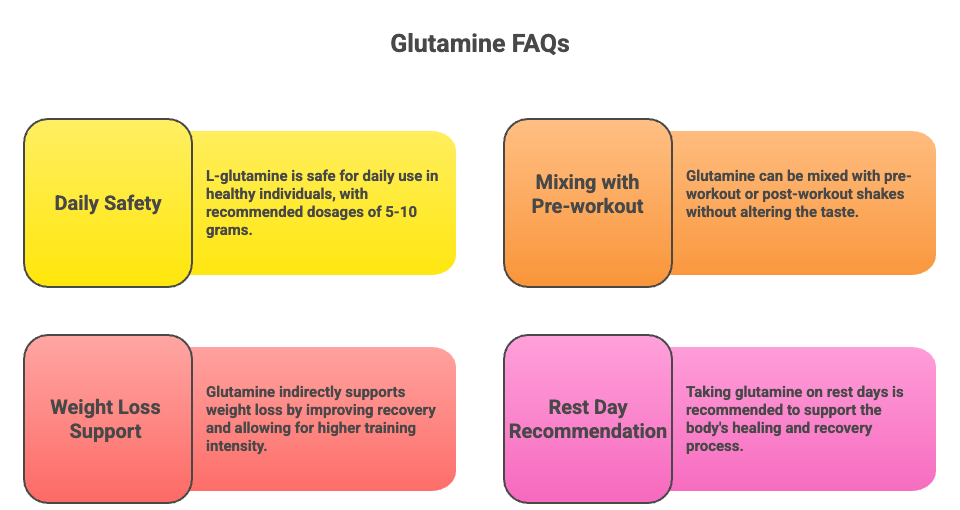
Yes, L-glutamine is considered safe for daily use in healthy individuals. It is a naturally occurring amino acid that your body already produces and utilizes. Sticking to the recommended dosage of 5 to 10 grams per day is generally well-tolerated.
Can I mix glutamine with my pre-workout?
Absolutely. You can mix glutamine with your pre-workout supplement or your post-workout shake. Since it is flavorless, it will not alter the taste of your other supplements.
Does glutamine help with weight loss?
While glutamine is not a direct fat burner like L-Carnitine, it can indirectly support weight loss. By improving recovery and reducing soreness, it allows you to maintain a higher training volume and intensity, which burns more calories over time.
Should I take glutamine on rest days?
Yes, taking glutamine on rest days is recommended, especially if you are recovering from a particularly intense training block. Recovery happens on your days off, and providing your body with the necessary amino acids supports that healing process.
Conclusion
In the debate over whether glutamine is worth taking for recovery, the evidence points to a clear conclusion: while it won’t magically pack on pounds of muscle, it is a highly effective supplement for reducing muscle soreness, speeding up strength recovery, and supporting overall health during periods of intense physical stress. If you are ready to take your recovery to the next level, explore our full range of authentic Scitec Nutrition supplements at Muscle Plus. Whether you are looking to prepare before training or optimize your healing afterward, we have the tools you need to succeed.