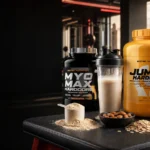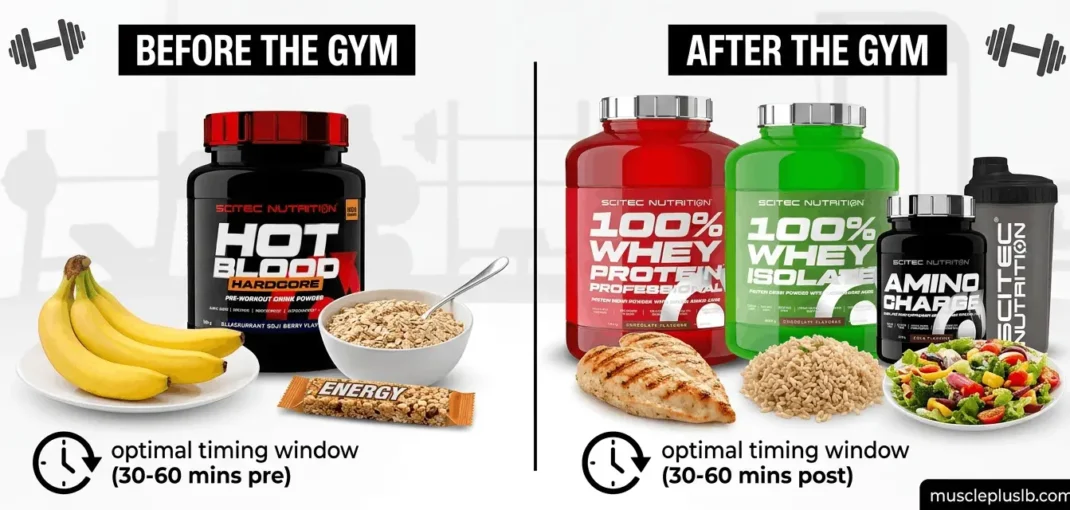
Are you wondering, “What should I eat before and after the gym?” You are not alone. Nailing your pre and post-workout nutrition is the single most powerful thing you can do to unlock your true potential — whether your goal is to build muscle, lose fat, or improve endurance. In this comprehensive guide, we break down exactly what your body needs to perform at its peak and recover faster. We also explore how the right protein powders and pre-workout supplements from Scitec Nutrition can take your results to the next level.
Fueling your body correctly is like putting premium fuel in a high-performance engine. Without the right nutrients, your output drops and your recovery suffers. Let us dive into the science of workout nutrition and build a winning strategy tailored to your fitness goals.
Why Pre and Post-Workout Nutrition Matters
When you hit the gym, your body relies on stored energy to power through heavy lifts and intense cardio. Understanding what to eat before and after a workout is crucial because it directly determines how well you perform and how quickly you recover.
Before exercise, your primary goal is to top up your energy reserves. This ensures you have the stamina to push harder and lift heavier. After your workout, the focus shifts entirely to recovery. Your muscles have been broken down, and your glycogen stores are depleted. Consuming the right macronutrients — specifically protein and carbohydrates — kickstarts the repair process and helps you build stronger, leaner muscle mass.
For those looking to optimize body composition, check out our ultimate guide to cutting to see how nutrition timing plays a vital role in losing fat while preserving hard-earned muscle.
What to Eat Before the Gym: Fueling for Performance
Your pre-workout meal is your body’s primary energy source for the upcoming training session. The ideal pre-workout nutrition strategy depends on how much time you have before you start exercising.
The closer you are to your workout, the smaller and simpler your meal should be. This prevents digestive discomfort and ensures nutrients are readily available for energy. Below, we break down the ideal meal timing and food choices to maximize your gym performance.
The Best Macronutrients for Pre-Workout Meals
Each macronutrient plays a specific role in fueling your workout. Understanding this balance helps you make smarter food choices before you train.
| Macronutrient | Role Before a Workout | Best Sources |
| Carbohydrates | Primary fuel source; replenishes muscle glycogen | Oatmeal, banana, sweet potato, whole-grain bread |
| Protein | Prevents muscle breakdown during exercise | Chicken breast, eggs, Greek yogurt, whey protein |
| Fats | Provides sustained energy for low-intensity sessions | Avocado, almonds, olive oil |
Carbohydrates are your muscles’ preferred fuel source during moderate to high-intensity exercise. Your body stores glucose as glycogen in the liver and muscles, and this glycogen is what powers you through your sets and sprints. Protein, on the other hand, supplies amino acids that prevent muscle catabolism — the breakdown of muscle tissue for energy when carbohydrate stores run low.
2 to 3 Hours Before Your Workout
If you have a few hours before hitting the gym, consume a balanced meal containing complex carbohydrates, lean protein, and a small amount of healthy fats. Complex carbs provide a steady, slow release of energy, while protein supplies the amino acids needed to prevent muscle breakdown during exercise.
Excellent meal options for this timeframe include:
- Grilled chicken breast with sweet potato and roasted vegetables
- A bowl of oatmeal topped with berries and a scoop of Scitec Whey Protein Professional
- A turkey and avocado wrap on whole-grain bread
- Scrambled eggs with whole-grain toast and a piece of fruit
These meals give your body ample time to digest and convert nutrients into usable glycogen. Aim for a ratio of roughly 3 to 4 grams of carbohydrates for every 1 gram of protein.
1 to 2 Hours Before Your Workout
At this window, you want a lighter meal that is easier to digest. Reduce the fat and fiber content to speed up gastric emptying. A medium-sized meal combining carbs and protein works perfectly.
Good options include:
- Greek yogurt with granola and a banana
- A protein shake blended with oats and a handful of berries
- Rice cakes with peanut butter and a drizzle of honey
30 to 60 Minutes Before Your Workout
When you are short on time, shift your focus to easily digestible carbohydrates and a small amount of fast-absorbing protein. Avoid high-fiber and high-fat foods at this stage, as they take longer to digest and can cause stomach cramps during exercise.
Quick pre-workout snacks include a banana with a small handful of almonds, or a slice of toast with honey. A simple protein shake made with Whey Isolate is also highly effective. If you need an extra energy boost, this is the perfect time to take a pre-workout supplement to increase focus, blood flow, and muscular endurance.
Not sure which pre-workout is right for you? Read our in-depth comparison of Pre-Workout vs Coffee to find your ultimate gym edge. You can also explore our full breakdown of what pre-workout supplements do to understand the science behind each ingredient.
Foods to Avoid Before Training
Knowing what not to eat before a workout is just as important as knowing what to eat. Certain foods can cause discomfort, bloating, or an energy crash that derails your session.
Avoid these foods in the 1 to 2 hours before training:
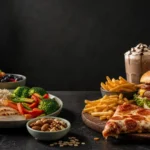
- High-fat foods such as fried chicken or heavy cheese dishes
- High-fiber vegetables like broccoli, cabbage, and beans
- Carbonated drinks and alcohol
- Large portions of red meat, which take a long time to digest
- Sugary snacks that cause rapid blood sugar spikes and crashes
What to Eat After the Gym: Maximizing Recovery
Once you finish your workout, the recovery phase begins immediately. Your muscles are primed like a sponge, ready to absorb nutrients to repair the micro-tears caused by intense exercise. Knowing what to eat after the gym is essential for muscle growth and reducing soreness.
The post-workout window — often called the anabolic window — is the optimal time to consume protein and fast-digesting carbohydrates. This combination replenishes your depleted glycogen stores and stimulates insulin release, which drives amino acids directly into your muscle cells for rapid repair.
The Role of Protein in Muscle Recovery
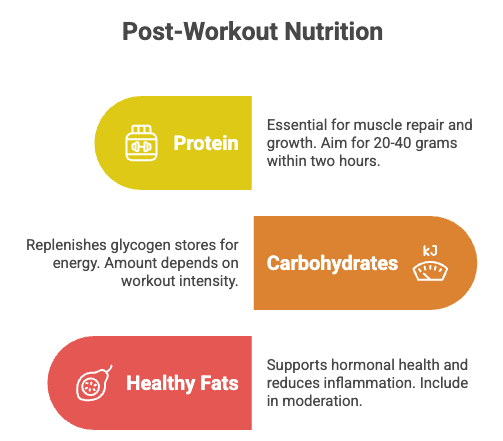
Protein is the building block of muscle tissue. Consuming a high-quality protein source after your workout provides the essential amino acids required for muscle protein synthesis. Research recommends consuming 20 to 40 grams of protein within the first two hours after your training session.
Fast-digesting proteins are ideal for post-workout recovery. A protein shake is the most convenient and effective option. If you are wondering about optimal timing, our guide on the best time to take a protein shake provides science-backed recommendations. For those just starting out, we also have a comprehensive guide on why whey protein is safe and effective for beginners.
If you are trying to find the best protein for your goals, our article on Whey Concentrate vs Isolate breaks down the key differences to help you make the right choice.
Replenishing Energy with Carbohydrates
Carbohydrates are just as important as protein in your post-workout meal. During intense exercise, your body burns through its glycogen stores. Consuming carbohydrates after your workout replenishes these stores, ensuring you have energy for your next training session.
The amount of carbohydrates you need depends on the intensity and duration of your workout. Endurance athletes will require significantly more carbs than someone completing a 45-minute weightlifting session. The International Society of Sports Nutrition (ISSN) recommends a high-carb diet of 3.6 to 5.5 grams of carbs per pound of body weight per day for endurance athletes.
Excellent post-workout carb sources include white rice, potatoes, sweet potatoes, fruit, or rice cakes. Pairing these with your protein shake creates the perfect recovery meal.
The Role of Fats in Recovery
Healthy fats are not the enemy of recovery. While they should not dominate your post-workout meal, including a small amount of healthy fat — such as avocado, nuts, or olive oil — can support hormonal health and reduce exercise-induced inflammation. A 2017 study found that eating whole eggs (which contain fat) was more effective at promoting muscle protein synthesis than eating egg whites alone.
Sample Post-Workout Meals
The following table provides quick, practical meal ideas for post-workout recovery, organized by fitness goal:
| Fitness Goal | Ideal Post-Workout Meal |
| Muscle Building | Grilled chicken, brown rice, and roasted vegetables |
| Fat Loss | Protein shake with water, a banana, and a handful of almonds |
| Endurance Recovery | Oatmeal with protein powder, blueberries, and honey |
| General Fitness | Greek yogurt with granola and mixed fruit |
| Vegan / Plant-Based | Tofu stir-fry with edamame, brown rice, and broccoli |
Hydration: The Overlooked Element of Workout Nutrition
While food gets most of the attention, hydration is a critical component of your pre and post-workout nutrition strategy. Dehydration can severely impair physical performance, reduce strength output, and cause premature fatigue.
You should aim to drink plenty of water throughout the day, not just immediately before you exercise. Drink about 16 to 20 ounces of water 2 to 3 hours before your workout, and continue sipping water during your training session. After your workout, replenish the fluids lost through sweat by drinking an additional 16 to 24 ounces of water for every pound of body weight lost during exercise.
If you engage in long, intense workouts, consider an amino acid supplement with added electrolytes to maintain hydration and support muscular endurance throughout your session.
Supplements to Enhance Your Gym Results
Whole foods should always be the foundation of your diet, but high-quality supplements can provide a significant advantage by filling nutritional gaps and enhancing performance. As the exclusive agents of Scitec Nutrition in Lebanon, Muscle Plus offers a premium range of products designed to support every stage of your fitness journey.
Pre-Workout Supplements
If you struggle with energy or focus during your training sessions, a dedicated pre-workout supplement can make a measurable difference. These products typically contain caffeine, beta-alanine, and nitric oxide boosters that increase blood flow, delay fatigue, and sharpen mental focus. Browse our full range of pre-workout products to find the right formula for your needs.
Protein Supplements for Recovery
A high-quality protein powder is the most versatile supplement in any athlete’s arsenal. Whether you use it as a quick post-workout shake or blend it into meals, it ensures you consistently hit your daily protein targets. If you are looking for the best option for weight loss, our guide on the best protein powder for weight loss in Lebanon will point you in the right direction.
Supplements for Fat Loss
If your goal is to lose body fat, you might consider adding a specialized supplement to your routine. L-Carnitine is a popular choice for supporting fat metabolism, helping your body use stored fat as fuel during exercise. You can also explore our weight-control formulas for comprehensive support during a cutting phase.
Supplements for Muscle Gain
For those looking to pack on serious size, our weight gainers provide a convenient way to consume the caloric surplus required for muscle growth. Pair a weight gainer with a structured training program and adequate sleep for the best results.
Post-Workout Recovery Supplements
After your training session, your body needs targeted support to recover after training. Amino acid supplements, in particular, play a key role in this process. Our amino acid range includes BCAAs and EAAs that accelerate muscle repair and reduce delayed onset muscle soreness (DOMS).
Nutrition Timing Summary: A Quick Reference Guide
The following table summarizes the key recommendations for pre and post-workout nutrition timing:
| Timing | Goal | Recommended Foods | Portion Size |
| 2–3 hours before | Build glycogen stores, prevent catabolism | Full balanced meal (carbs + protein + fats) | 400–600 calories |
| 1–2 hours before | Top up energy, easy digestion | Medium meal (carbs + protein, low fat/fiber) | 200–400 calories |
| 30–60 min before | Quick energy boost | Simple carbs + small protein | 100–200 calories |
| Within 30–60 min after | Kickstart recovery, replenish glycogen | Protein shake + fast carbs | 20–40g protein + 30–60g carbs |
| 1–2 hours after | Full recovery meal | Balanced meal (protein + carbs + healthy fats) | 400–600 calories |
FAQ
Frequently Asked Questions About Gym Nutrition
How long should I wait to eat after a workout?
It is highly recommended to consume a post-workout meal or protein shake within 30 to 60 minutes after finishing your exercise session. This timeframe is optimal for kickstarting muscle recovery and replenishing depleted glycogen stores efficiently. However, more recent research suggests the anabolic window may be wider than previously thought, giving you up to two hours post-workout to consume your recovery meal.
Can I work out on an empty stomach?
While some people prefer fasted cardio for fat loss, working out on an empty stomach — especially before intense weightlifting — can lead to decreased performance and potential muscle breakdown. Your liver’s glycogen stores are depleted after an overnight fast, meaning your body has limited fuel available. Eating a small, easily digestible carbohydrate snack beforehand is generally better for sustaining energy levels and protecting muscle tissue.
What is the best pre-workout snack for energy?
The best pre-workout snacks are rich in simple carbohydrates and easy to digest. A banana, a handful of dates, or a slice of toast with a thin layer of jam provide quick energy without causing stomach discomfort during your training. If you have slightly more time, a small bowl of oatmeal with a scoop of protein powder is an excellent choice for sustained energy.
Do I need a protein shake if I eat a full meal after the gym?
If your post-workout meal contains an adequate amount of high-quality protein (around 20–40 grams) and is consumed shortly after your workout, a protein shake is not strictly necessary. However, shakes offer unparalleled convenience and faster absorption rates, making them ideal when you cannot prepare a full meal immediately after training.
How much protein do I need after a workout?
Most research recommends consuming 20 to 40 grams of high-quality protein after a workout to maximize muscle protein synthesis. The exact amount depends on your body weight, training intensity, and overall daily protein intake. A general guideline is to aim for 1 to 1.2 grams of protein per kilogram of body weight per day.
What should I eat before an early morning gym session?
Early morning workouts present a unique challenge because your body has been fasting overnight. If you do not have time for a full meal, a small, easily digestible snack like a banana, a handful of dates, or a small protein shake is sufficient. If you have 30 to 45 minutes before your session, a bowl of oatmeal with a scoop of protein powder is an ideal choice.
Conclusion
Figuring out what you should eat before and after the gym does not have to be complicated. By focusing on the right balance of carbohydrates for energy and protein for recovery, you can significantly enhance your workout performance and accelerate your results.
Remember to tailor your meal timing to your schedule, prioritize hydration, and leverage high-quality supplements from Muscle Plus to support your goals. Whether you are bulking up or leaning down, consistency in your nutrition is the key to long-term success.
Ready to take your training to the next level? Explore our full range of Scitec Nutrition supplements and start fueling your body like a champion today. If you have questions about which products are right for your goals, feel free to contact us — our team of nutrition experts is here to help.